Songs with Staying Power
An analytical approach to the compositions that endure beyond seasonal trends, focusing on studio techniques, vocal phrasing, and the architecture of a standard.
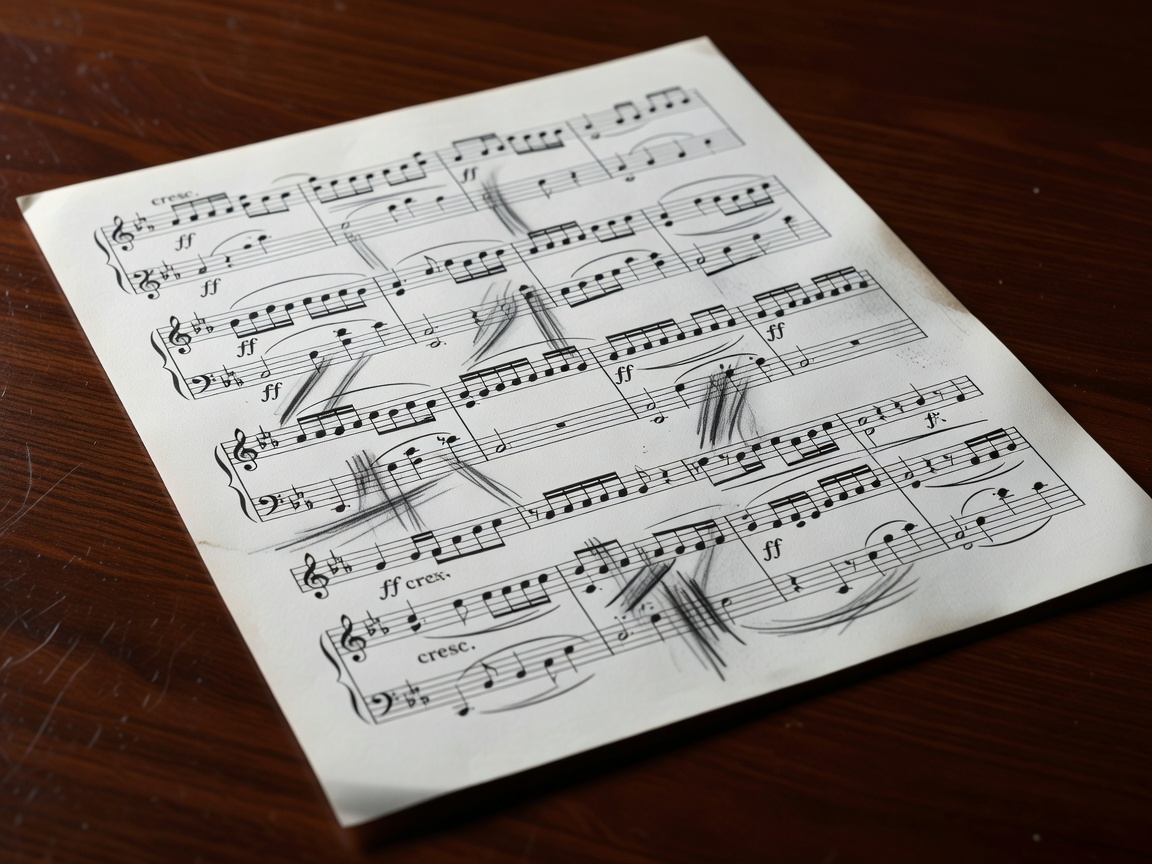
The Architecture of a Standard
When examining songs that return to our listening spaces year after year, it is vital to distinguish between a passing holiday novelty and a robust musical composition. The mid-20th century provided a framework for what we now consider standard festive repertoire. Composers like Irving Berlin understood that melancholy often serves as the most potent foundation for a holiday song. "White Christmas," famously recorded by Bing Crosby, relies not on overwhelming joy, but on wistful nostalgia. The chromatic descent in the melody mirrors a sigh, an architectural choice that resonates deeply with listeners separated from home.
These compositions were crafted with rigorous attention to the Great American Songbook tradition. They feature AABA forms, sophisticated jazz-influenced harmonic progressions, and lyrics that utilize specific imagery without becoming overly localized. This structural integrity allows the songs to be interpreted by countless vocalists over decades without losing their central emotional core.
Studio Techniques of the Era
The endurance of these recordings is intrinsically linked to the rooms in which they were captured. Before the advent of multi-track digital recording, musicians performed together in a single room. Studios like Capitol Studios in Los Angeles or the expansive rooms of RCA Victor utilized natural reverberation to glue the instruments together. Microphones such as the RCA 44 ribbon microphone imparted a smooth, rolled-off high end and a proximity effect that made vocalists sound intimately close to the listener's ear.
When Phil Spector later approached holiday music, he applied his "Wall of Sound" technique. By cramming dozens of musicians into Gold Star Studios and allowing the sound to bleed between microphones, he created dense, monolithic recordings. Understanding these techniques enriches the listening experience; you begin to hear the room, the microphone, and the physical space between the brass section and the vocalist.
Vocal Phrasing and Delivery
Vocalists of the era approached a lyric with an actor's sensibility. Frank Sinatra’s phrasing—often slightly behind the beat—added a conversational, relaxed tension to his festive tracks. Nat King Cole’s precise diction ensured that the warmth of his tone never obscured the narrative of the lyric. This approach contrasts sharply with modern pop sensibilities, which often prioritize melisma and volume over narrative delivery.
In our curated listening sessions, paying attention to the breath control, the subtle vibrato at the end of a phrase, and the dynamic range of the singer transforms a familiar song into a fresh discovery. It is not about hearing the song for the hundredth time, but listening to the performance for the first time.
| Vocalist | Notable Characteristic | Studio Environment |
|---|---|---|
| Bing Crosby | Proximity effect, relaxed baritone | Decca Studios, natural room decay |
| Nat King Cole | Impeccable diction, warm lower register | Capitol Studios, close-mic technique |
| Ella Fitzgerald | Rhythmic agility, horn-like phrasing | Verve recordings, isolated vocal booth |
| Frank Sinatra | Back-phrasing, legato breath control | Capitol Studios, expansive orchestral setup |
Building a Core Repertoire
To curate a meaningful listening session, one must identify recordings that offer depth upon repeated plays. Look for tracks that feature complex orchestrations, such as Nelson Riddle's arrangements, which often included counter-melodies in the string section that reveal themselves only after multiple listens. By isolating these compositions and appreciating the physical reality of their creation, we give Christmas a sound that is grounded in artistic merit rather than mere seasonal ubiquity.