Carols Beyond the Chorus
Tracing the lineage of traditional carols from pagan oral traditions and medieval chapels to the defining Victorian publications that codified our modern festive repertoire.
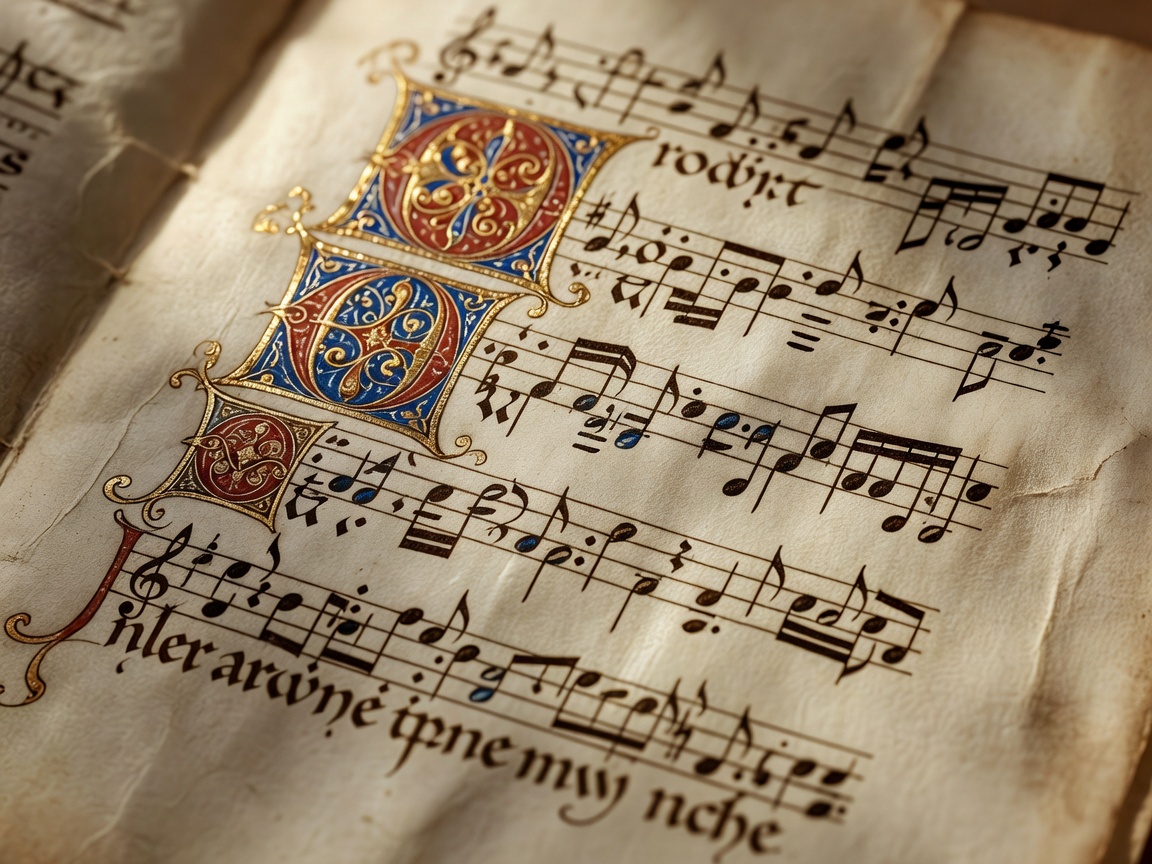
The Roots of the Carol
To listen to a traditional carol is to engage in an auditory archaeological dig. Beneath the polished brass and massed choirs of modern recordings lies a raw, often rhythmic form of communal expression. The word "carol" derives from the Old French "carole," meaning a circle dance accompanied by singing. Originally, these pieces were secular, tied to seasonal agricultural markers rather than strict theology.
As the medieval church sought to integrate localized traditions, these rhythmic, vernacular songs were adapted. The structure of a burden (refrain) alternating with verses allowed a soloist to narrate while the untrained congregation joined in the chorus. This call-and-response architecture is still evident in pieces like "God Rest You Merry, Gentlemen," which retains a distinctly modal, almost folk-like melody that predates modern major/minor tonal systems.
The Victorian Revival
The carols we recognize today were largely rescued from obscurity during the 19th century. Industrialization had fractured rural communities, threatening the oral tradition. Antiquarians such as William Sandys recognized this cultural erosion and published collections like *Christmas Carols, Ancient and Modern* in 1833. Sandys' work codified lyrics and melodies that had previously existed in fluid, regional variations.
This era also saw the creation of new classics. "O Holy Night," composed by Adolphe Adam in 1847, represented a shift toward the operatic and the composed, moving away from anonymous folk roots. The soaring, demanding vocal line required a trained soloist, marking the carol's transition from the village square into the formal concert hall and the parlor room.
Interpreting the Tradition in the Room
When integrating carols into a modern listening arc, one must navigate the vast disparity in recordings. A soaring rendition by the King's College Choir commands a completely different auditory space than a sparse, acoustic guitar interpretation by a folk artist. The acoustic environment of a cathedral recording—with its massive reverberation time—can sound disorienting if played quietly in a small, heavily furnished living room.
| Carol Origin | Defining Characteristic | Listening Context |
|---|---|---|
| Medieval Folk | Modal scales, rhythmic drive | Acoustic, dry recordings for intimacy |
| 19th Century French | Operatic range, dramatic tension | Climactic evening placement, high volume |
| Victorian English | Four-part hymnal harmony | Choral recordings to add sonic density |
The Persistence of Melody
What ensures the survival of these pieces is the robust nature of their core melodies. They can be stripped of their orchestral grandeur and played on a single instrument, yet they remain instantly identifiable. In a listening journal context, placing a traditional choir recording alongside a modern jazz reharmonization of the same carol highlights the durability of the composition. It reminds the listener that a carol is not a fixed artifact, but a living piece of musical architecture.